



Automatic transmissions are designed to make driving effortless, but that everyday convenience can hide habits that slowly cause severe mechanical damage. Modern automatics are tough and highly sophisticated, yet they still depend on clean fluid, correct operating temperatures, and gentle gear selection. A small mistake at low speeds can place immense stress on internal clutches, gear sets, and sensitive electronic controls.
The warning signs are not always dramatic. Minor red flags like a delayed shift, burnt smell, mild vibration, slipping sensation, or small fluid leak may seem insignificant at first. Ignoring these early cues can easily turn a routine service into a major transmission rebuild.
Shifting Directions While Still Moving
One of the most damaging driving habits is selecting reverse while the car is still rolling forward, or shifting into drive before the vehicle has completely stopped moving backward. This action forces the transmission to instantly reverse the direction of heavy, spinning internal components, creating harsh shock loads across several crucial parts:
- Internal clutch packs and friction plates
- Planetary gear sets and planetary carriers
- Driveshafts, axles, and transmission mounts
Even a slow, gentle roll creates stress—especially in larger, heavier vehicles. Always press the brake pedal firmly and bring the car to a complete stop before changing direction.
Parking on Hills Without the Parking Brake
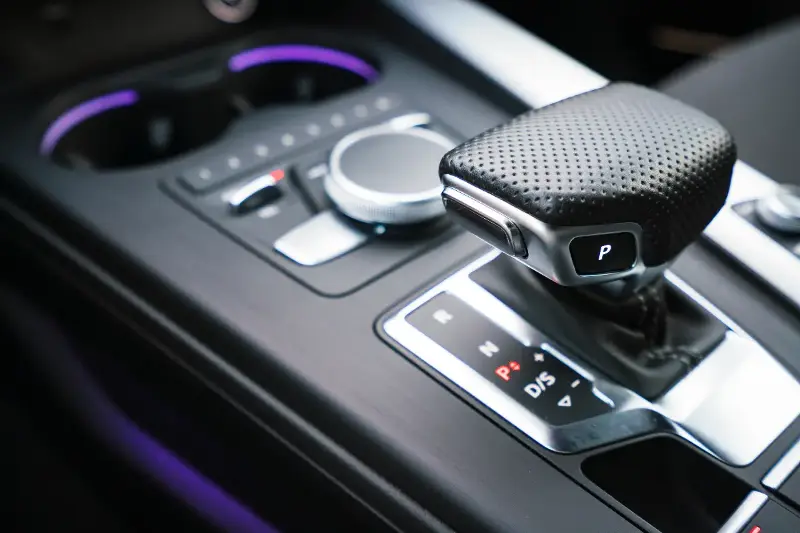
Many drivers shift into park on a slope and assume the vehicle is entirely secure. In reality, shifting into park engages a tiny metal latch known as a parking pawl. While it is designed to hold a stationary vehicle, allowing the car’s entire weight to rest against it on a steep incline can jam the mechanism and make shifting out of park extremely difficult.
Protect your vehicle by establishing a smooth parking routine:
- Stopping: Bring the car to a complete halt using the foot brake.
- Securing: Engage the parking brake firmly before shifting the gear lever into park.
- Departing: Press the foot brake, select your driving gear, and then release the parking brake.
This simple habit takes mechanical strain off the internal pawl while providing an essential safety backup on steep terrain.
Neglecting Essential Transmission Fluid
Transmission fluid is far more than a basic lubricant. It acts as a hydraulic fluid that transfers engine power, cools internal components, protects moving metal parts, and allows clutches to engage smoothly. Low or contaminated fluid leads directly to overheating, harsh gear shifts, and premature wear.
- The "lifetime fluid" myth: Many modern vehicles claim to use lifetime fluid, but this usually refers to the expected warranty period under ideal conditions—not the actual life of the vehicle.
- Severe conditions: Frequent city driving, heavy loads, hot weather, and stop-and-go traffic rapidly degrade fluid quality.
- Fluid specifications: Always use the exact fluid specified in your owner's manual, as different transmissions rely on precise friction characteristics to shift properly.
Ignoring Temperature Warnings and Overheating
Excessive heat is the ultimate enemy of any automatic gearbox. When fluid temperatures spike, the fluid loses its protective qualities, causing internal rubber seals to harden and clutch materials to glaze over.
Carrying heavy loads, driving through deep sand, or ascending long mountain passes in warm weather can cause temperatures to skyrocket. If a transmission temperature light illuminates on your dashboard, pull over safely, leave the engine idling in park, and allow the system to cool down. Continuing to drive with an overheating transmission can cause sudden, irreversible mechanical failure.

Coasting in Neutral
Shifting into neutral while coasting downhill does not save fuel in modern fuel-injected vehicles, as the engine control unit automatically restricts fuel flow when coasting in gear. Furthermore, selecting neutral introduces several distinct drawbacks:
- Loss of engine braking: Forces the wheel brakes to work significantly harder, increasing the risk of brake fade.
- Reduced control: Eliminates your ability to accelerate quickly if you need to maneuver around an unexpected hazard.
- Increased wear: Requires re-engaging drive while the car is moving at high speed, placing unnecessary strain on the drivetrain.
Keep the gear selector in drive, utilizing lower gear modes on steep descents to safely control your speed.
Rocking a Stuck Vehicle Too Aggressively
When tires lose traction in mud, snow, or sand, rapidly slamming the shifter between drive and reverse might seem like a quick way to gain momentum. However, high-speed wheel spinning combined with sudden direction changes builds extreme heat and can shatter internal gears.
If you must rock a stuck vehicle, proceed with caution:
- Stop the wheels completely before every gear change.
- Use light, steady throttle pressure rather than flooring the accelerator.
- Utilize dedicated snow or traction modes if your vehicle is equipped with them.
If a few gentle attempts fail, using traction boards or calling for assistance is far safer than forcing your transmission past its limits.
Delaying Attention for Minor Symptoms
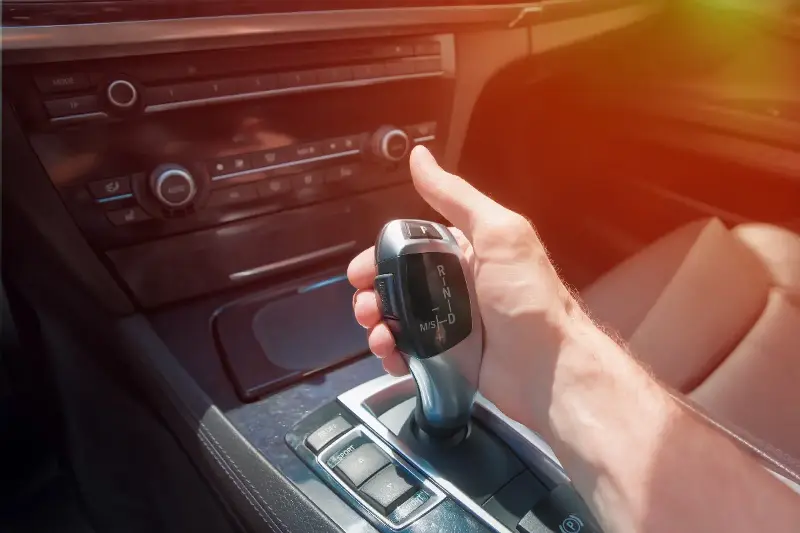
A slight hesitation, highway shudder, or subtle clunk should never be ignored. Early diagnosis often means a simple fix, such as topping up fluid, replacing a mount, or refreshing a sensor, rather than replacing the entire unit.
Recording when the symptom happens—such as during cold starts or after long highway trips—gives your mechanic valuable clues. Proactive maintenance and smooth driving habits will protect your investment and keep your vehicle shifting smoothly for years to come.