


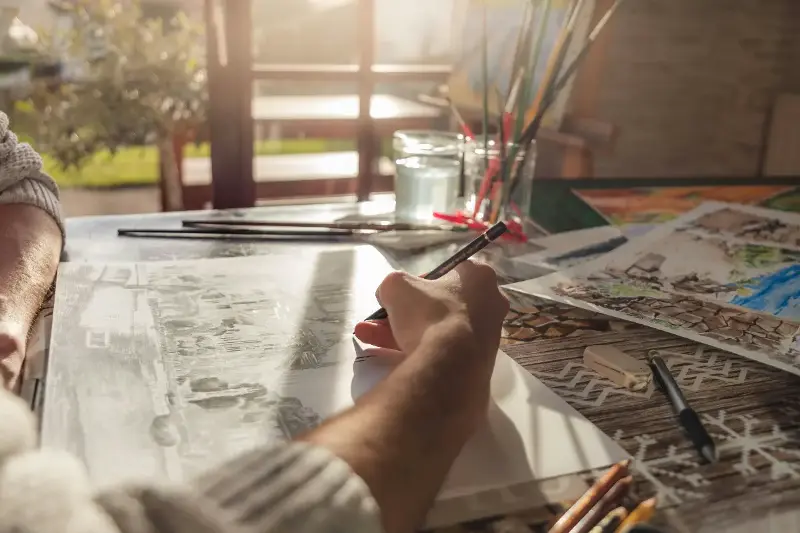
Drawing becomes far less intimidating when the right tools are within reach. Beginners do not need an entire studio filled with expensive supplies to create satisfying work. A compact, carefully selected kit can support sketching, shading, experimenting, and refining ideas without making the creative process feel overly complicated.
The most useful tools are those that encourage regular, joyful practice. They should feel comfortable in the hand, remain easy to replace, and show visible progress from the very first page. These five essentials build a reliable foundation for portraits, serene landscapes, still life studies, and almost any drawing project.
Graphite Pencils for Depth and Range
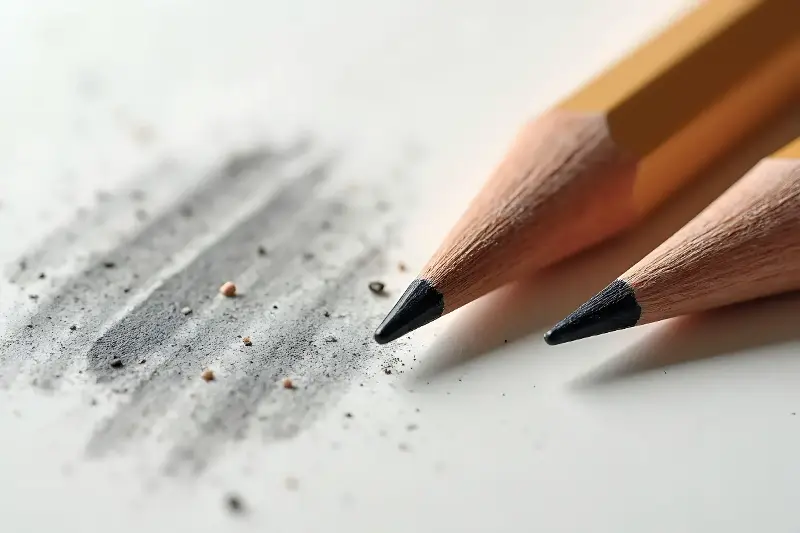
A set of graphite pencils serves as the starting point for traditional drawing. Graphite lead is graded by hardness: H pencils make lighter, sharper marks, while B pencils create darker, softer lines. The standard HB pencil sits in the middle and is excellent for everyday sketching.
For beginners, a versatile range such as 2H, HB, 2B, 4B, and 6B offers total creative control:
- 2H pencils: Ideal for light construction lines, basic shapes, and establishing proportion.
- HB pencils: Perfect for drawing clear general outlines.
- 2B, 4B, and 6B pencils: Produce progressively richer shadows and deep tonal areas.
Using multiple grades adds realistic dimension to a simple sketch. Choosing comfortable barrels with strong leads—whether wooden or refillable mechanical pencils—ensures smooth, reliable drawing sessions.
A Dependable Sketchbook for Continuous Practice
A sketchbook gives ideas a safe home. It removes the pressure of creating a masterpiece because its pages are designed for personal growth and experimentation.
Look for paper weighing around 90 to 120 gsm (grams per square metre), which is sturdy enough for repeated erasing and light blending. An A5 sketchbook offers portable convenience for travel, while an A4 size provides ample room for expansive studies.
Paper texture also shapes your artwork: smooth paper (hot pressed) is great for fine details, whereas medium grain paper catches graphite easily to soften shading. Over time, your sketchbook becomes an encouraging visual diary of your artistic progress.
Quality Erasers for Precise Control
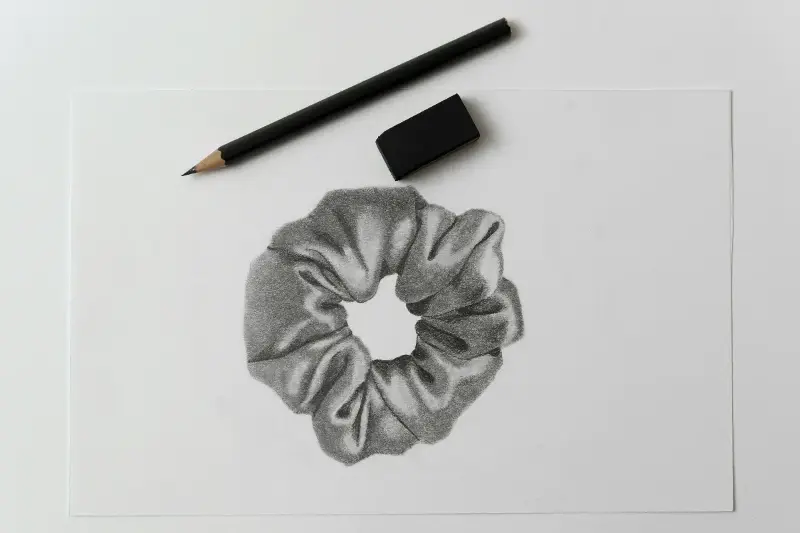
An eraser is not merely a tool for correcting mistakes; it is a dynamic drawing instrument used to highlight details, soften edges, and bring light into shaded areas. Keeping two specific types in your kit delivers maximum versatility:
- White vinyl eraser: Removes graphite cleanly with minimal smudging, making it ideal for sharp corrections.
- Kneaded putty eraser: Flexible and soft, it can be shaped to a fine point to lift graphite gradually. It is perfect for adding subtle highlights to hair, glass, or cheeks.
A Reliable Sharpener for Crisp Detail
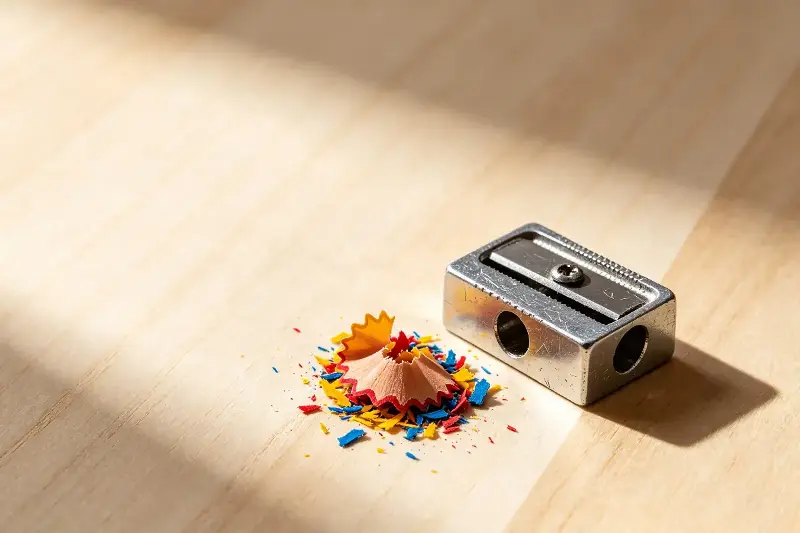
A pencil sharpener heavily influences line quality. A blunt point creates broad, soft marks suitable for shading, while a sharp point creates crisp details and delicate textures.
A simple handheld sharpener with a durable metal blade works brilliantly. Keeping your pencils sharp prevents frustrating interruptions and ensures your lines remain intentional, clean, and controlled.
Blending Stumps for Smooth Shading
A blending stump—a tightly rolled stick of paper with pointed ends—is used to smooth graphite and craft gradual tonal transitions. It is especially helpful when drawing soft, rounded forms like fruit, clouds, or fabric.
Unlike blending with fingertips, a paper stump does not transfer skin oils onto the page, keeping your shading clean rather than muddy. Moving the stump lightly along the contours of your drawing reinforces the delightful illusion of three-dimensional volume.