


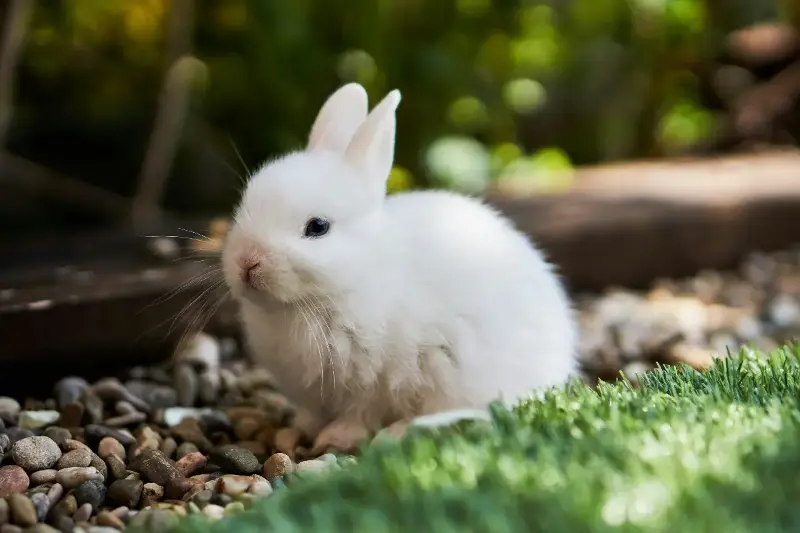
Welcoming a rabbit into your home is a delightful journey that requires understanding their unique behaviors and needs. While they may seem easy-going, rabbits are intelligent and social creatures who rely on their environment to maintain both physical and emotional wellness. By providing a safe and stimulating space, you can ensure your fluffy friend lives a long, joyful, and healthy life.
RABBITS NEED SPACE TO HOP AND EXPLORE
Unlike the old image of a rabbit cooped up in a tiny hutch, domestic rabbits thrive when given ample space to stretch, play, and express their natural behaviors. A spacious pen or a dedicated rabbit-proofed room makes all the difference.
- The Golden Rule: Ideally, your rabbit’s play area should be at least four times the length of the rabbit when fully stretched out.
- Active Living: This space is essential for "zoomies"—quick bursts of speed—and binkies, those adorable, joyful jumps and twists that signal a happy bunny.
- Safe Exploration: Rabbits are clever escape artists. Ensure all barriers are secure, and always supervise your rabbit if they are roaming freely in your living area.

SAFE AND STIMULATING ENVIRONMENTS
Rabbits are born to chew, which is how they keep their teeth healthy. Protecting your home is just as important as keeping your bunny entertained.
- Protect Your Home: Use robust tubing to hide power cords and keep all houseplants—many of which are toxic—well out of reach.
- Healthy Gnawing: Provide plenty of safe chewable items, such as untreated wood blocks, hay cubes, and cardboard tunnels.
- Enrichment: Prevent boredom by rotating toys regularly. You can even hide treats for "treasure hunts" or offer simple cardboard boxes for climbing and burrowing.

COMFORT IS KING: SOFT BEDS AND COZY NOOKS
Rabbits appreciate comfort as much as any pet. Creating a soft, secure environment helps them feel at ease.
- Gentle Bedding: Line lounging spots with fleece blankets, grass mats, or soft, flat woven rugs that are gentle on their delicate feet.
- Avoid Harmful Materials: Never use cedar or pine shavings, as their aromatic oils can be very harmful to a rabbit’s sensitive respiratory system.
- Private Retreats: Always provide hideaways, such as cardboard houses or fabric tents, where your rabbit can nap in total privacy.

THE RIGHT DIET: HAY, FRESHNESS, AND FUN
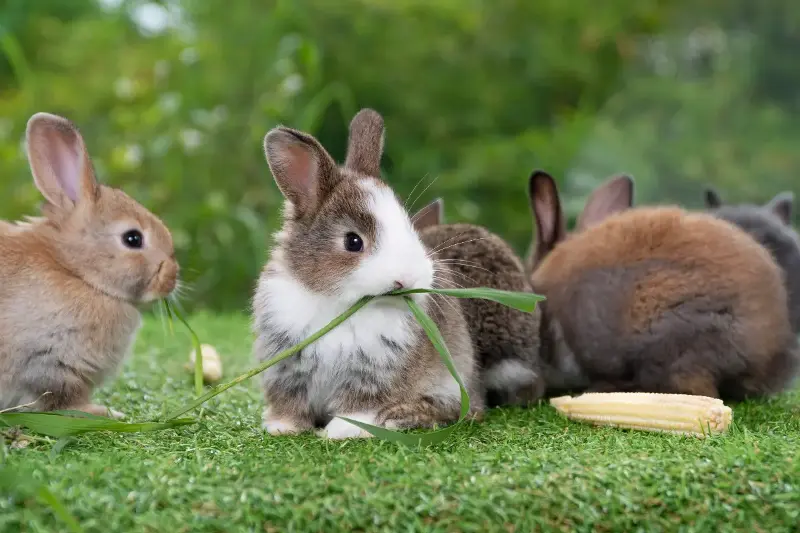
A happy, healthy rabbit is a rabbit that is always munching on hay. Roughage is the single most important part of their daily diet.
- The Hay Habit: Timothy or meadow hay should make up around 80% of their diet. It is essential for digestive health and proper tooth wear.
- Fresh Greens: Offer generous daily handfuls of romaine lettuce, parsley, cilantro, and basil.
- Hydration: Always provide access to fresh, clean water, which should be changed daily to ensure your pet stays well-hydrated.
LITTER TRAINING: YES, IT’S POSSIBLE!
House rabbits are naturally fastidious and can be easily trained to use a litter box with a little patience.
- The Setup: Place a litter box—lined with rabbit-safe litter and topped with fresh hay—in the corner your rabbit naturally prefers.
- Keep it Clean: A tidy litter box is essential. Rabbits are very clean animals and may look for a new spot if their box is neglected.
BONDING AND SOCIAL NEEDS
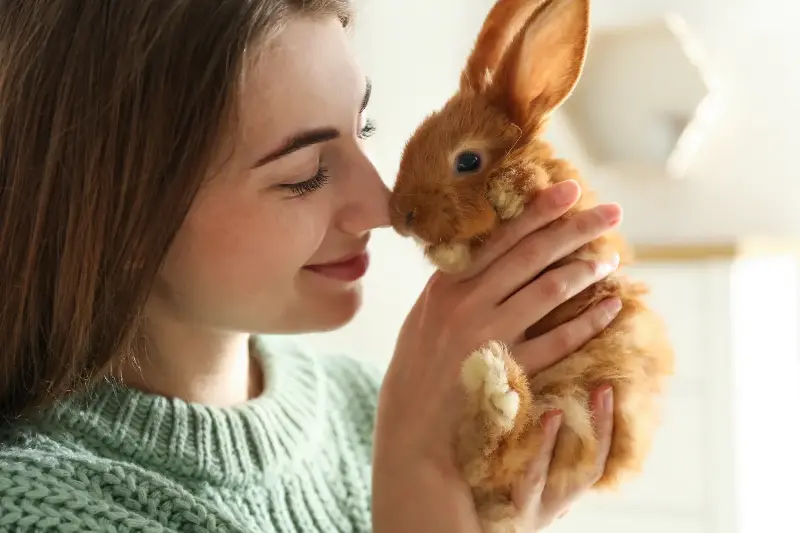
Rabbits are highly social animals that thrive on interaction and love.
- Daily Interaction: Spend time sitting nearby, offering treats, and gently stroking your rabbit. They often express their contentment with a quiet "purr," which is a gentle grinding of their teeth.
- Subtle Affection: Watch for signs of trust, such as when your rabbit "flops" on their side or nudges you for attention.